A curated selection of must-read books to help Scrum Masters deepen their Agile knowledge, enhance coaching skills, and strengthen leadership impact.
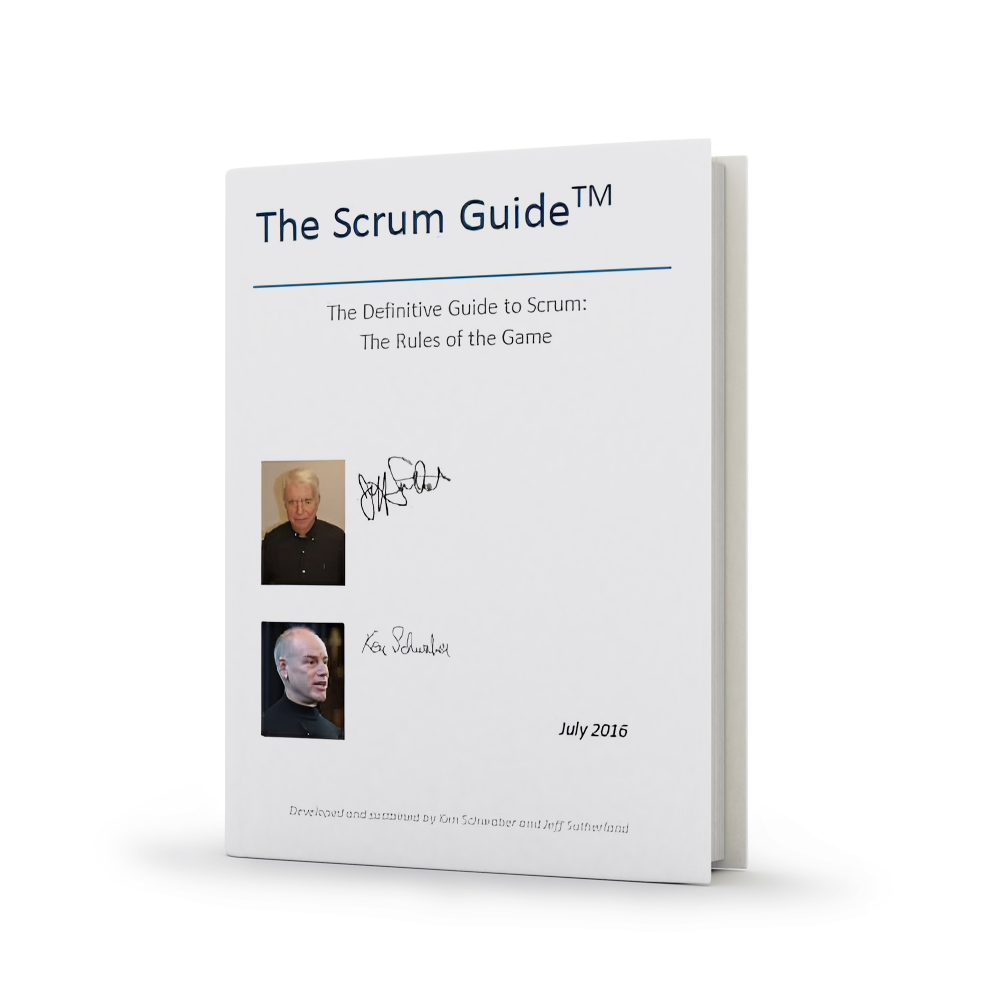
Written by Scrum co-creators Ken Schwaber and Jeff Sutherland, this essential guide defines Scrum, including its roles, events, artifacts, and values. It provides the foundation every Scrum Master needs while promoting adaptability and continuous improvement. A must-read for understanding how Scrum works in real-world environments.

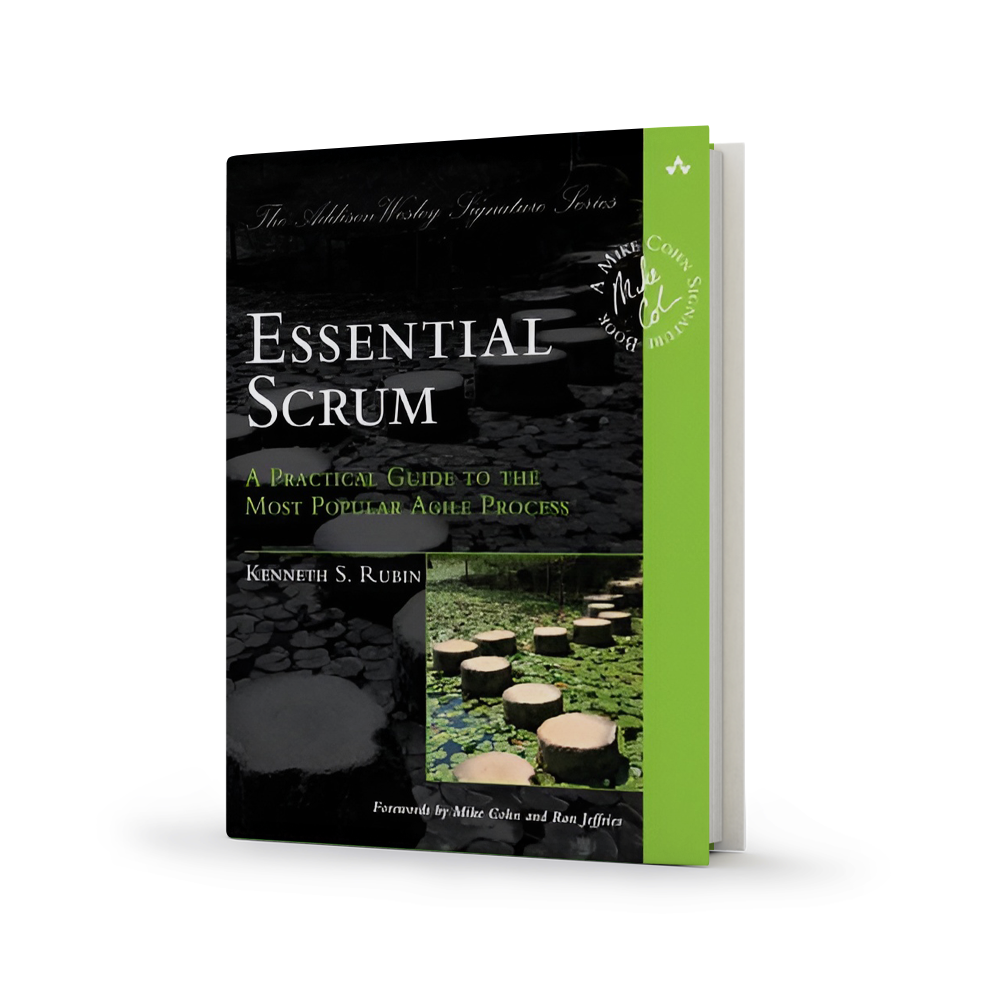
Kenneth S. Rubin explains Scrum principles, values, and practices with clear guidance and helpful illustrations. The book supports teams in building a shared understanding of Scrum while offering practical techniques for effective implementation. Ideal for both beginners and experienced practitioners.
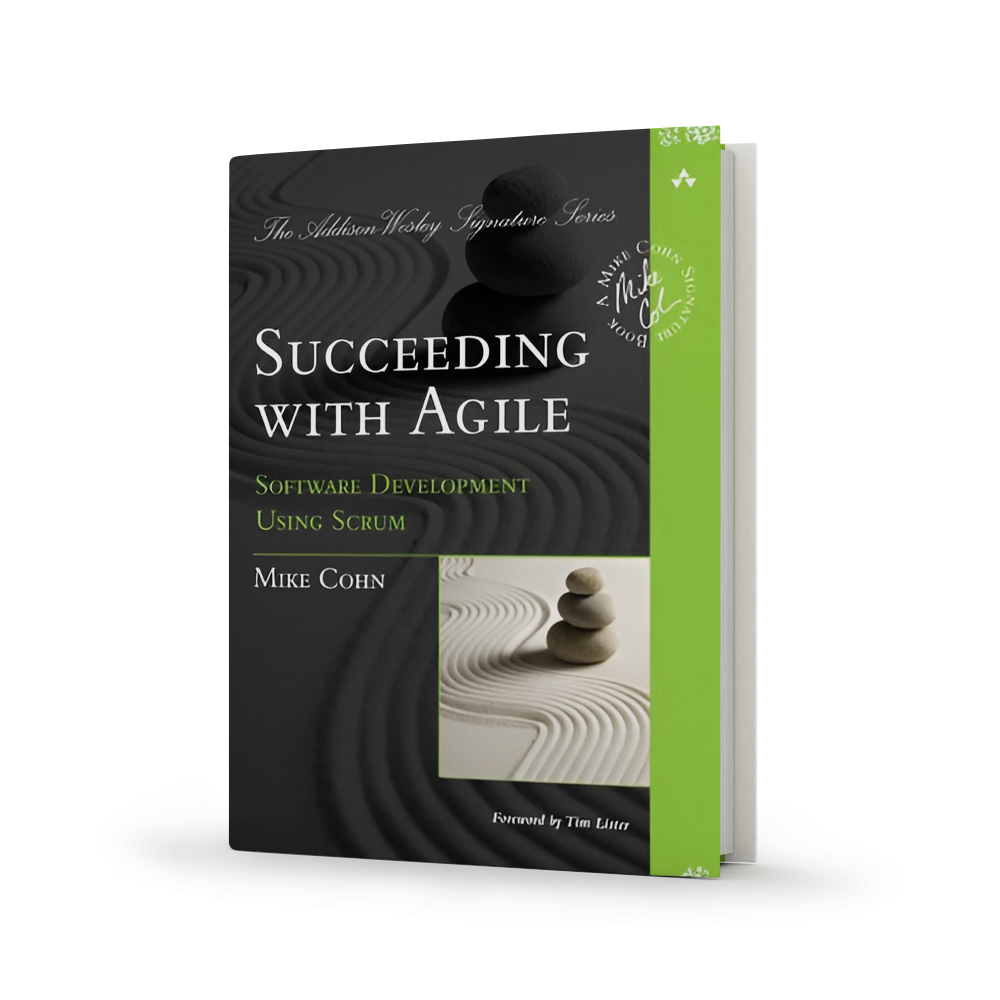
Mike Cohn delivers practical advice for adopting Agile, structuring teams, and scaling practices across organizations. The book explores leadership, change management, and continuous improvement to help teams transition smoothly. A valuable resource for creating high-performing Agile environments.
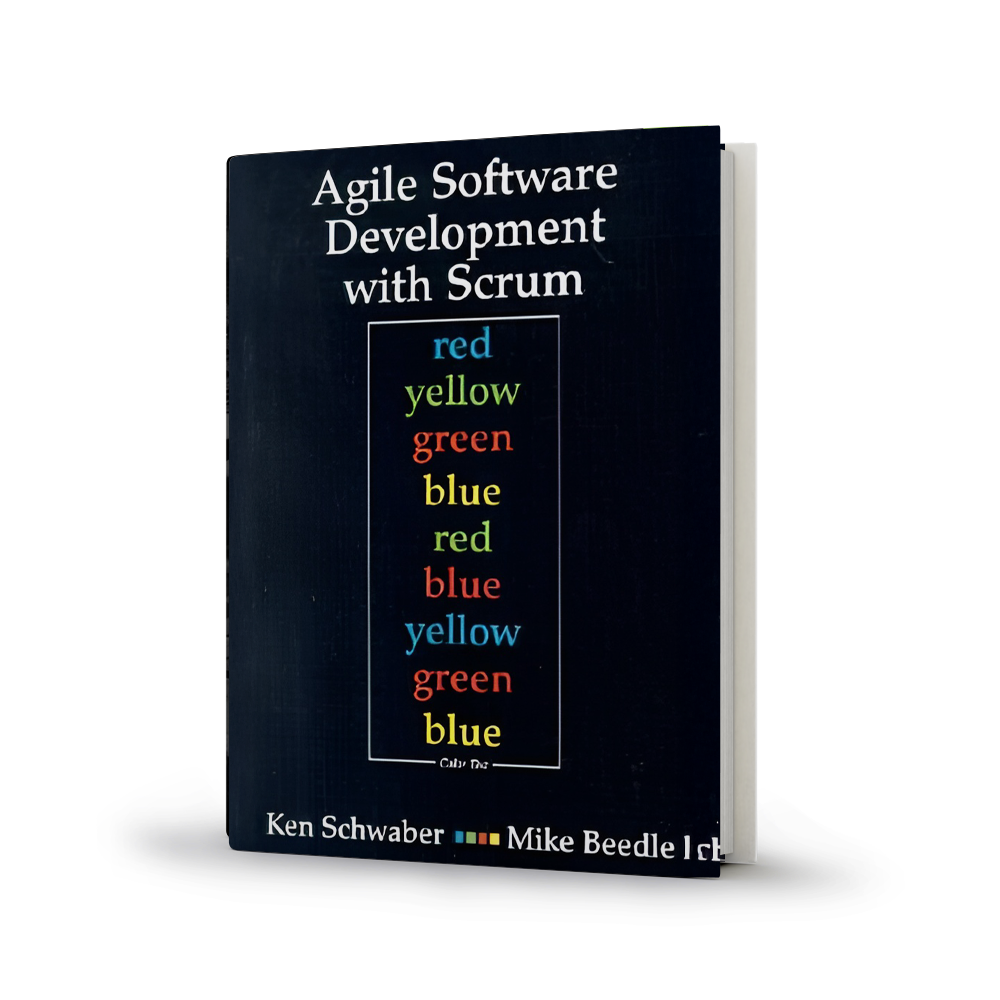
Ken Schwaber presents Scrum as a powerful approach for managing complex product development. The book explains Agile thinking, reduces process complexity, and emphasizes iterative delivery of quality software. It is especially useful for understanding the early vision behind Scrum.
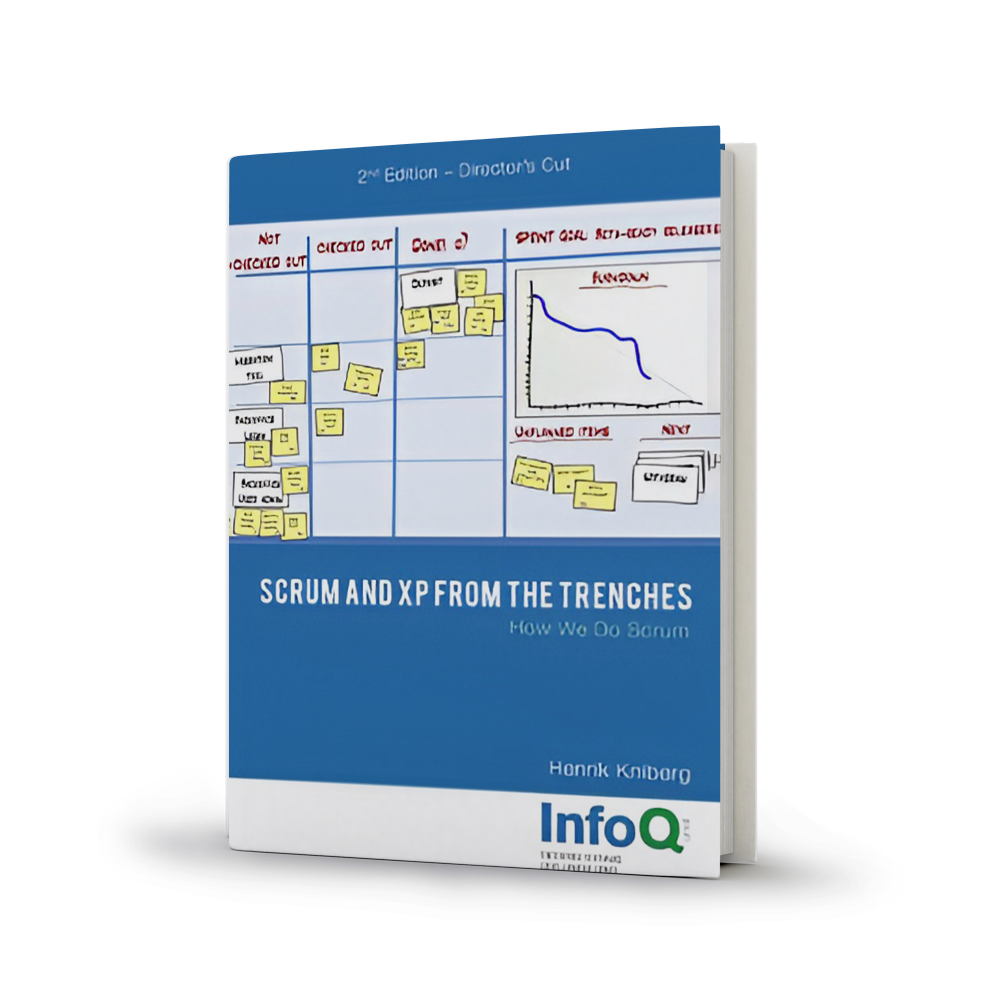
Henrik Kniberg shares a real-world account of implementing Scrum alongside Extreme Programming (XP). Filled with practical lessons on team setup, sprint planning, and collaboration, the book is easy to read and highly actionable. Perfect for Scrum Masters seeking proven insights.
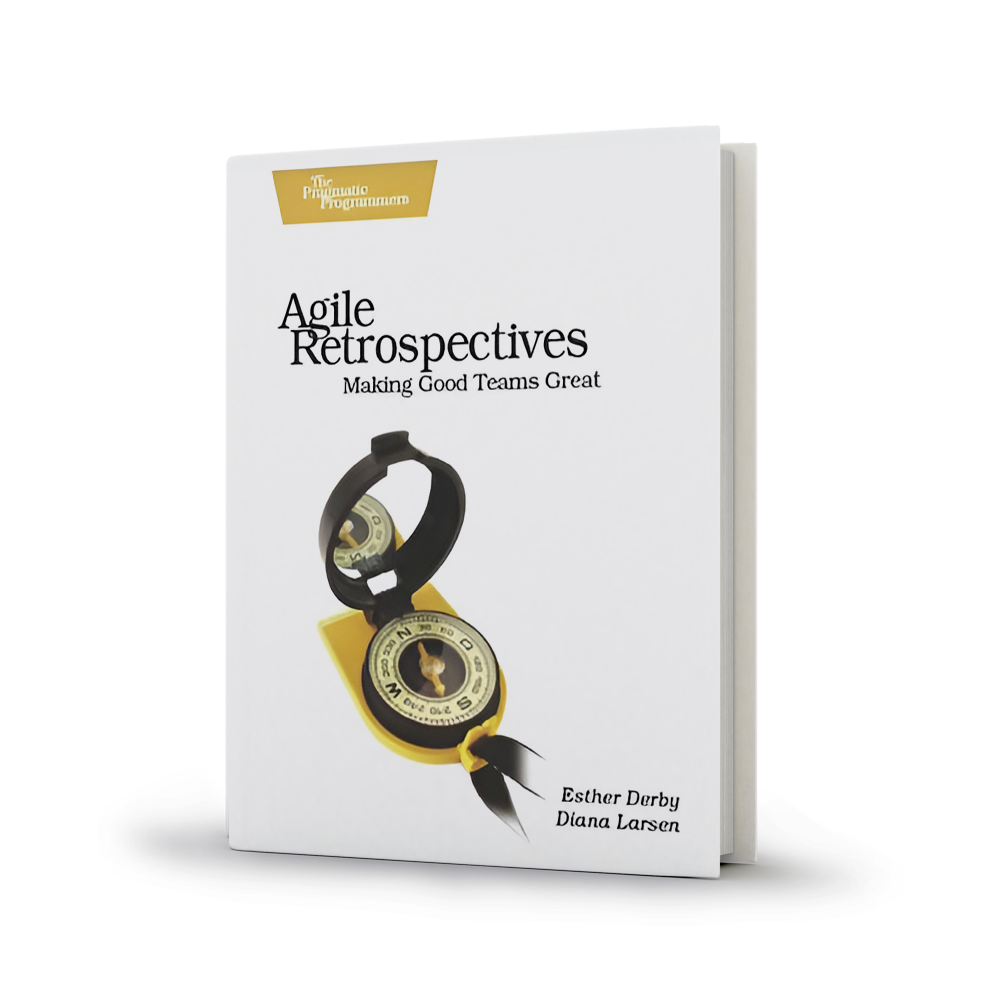
Esther Derby and Diana Larsen provide a structured approach to running effective retrospectives that drive continuous improvement. Learn how to uncover hidden challenges, strengthen team dynamics, and create actionable outcomes. An essential guide for fostering healthier, more productive teams.
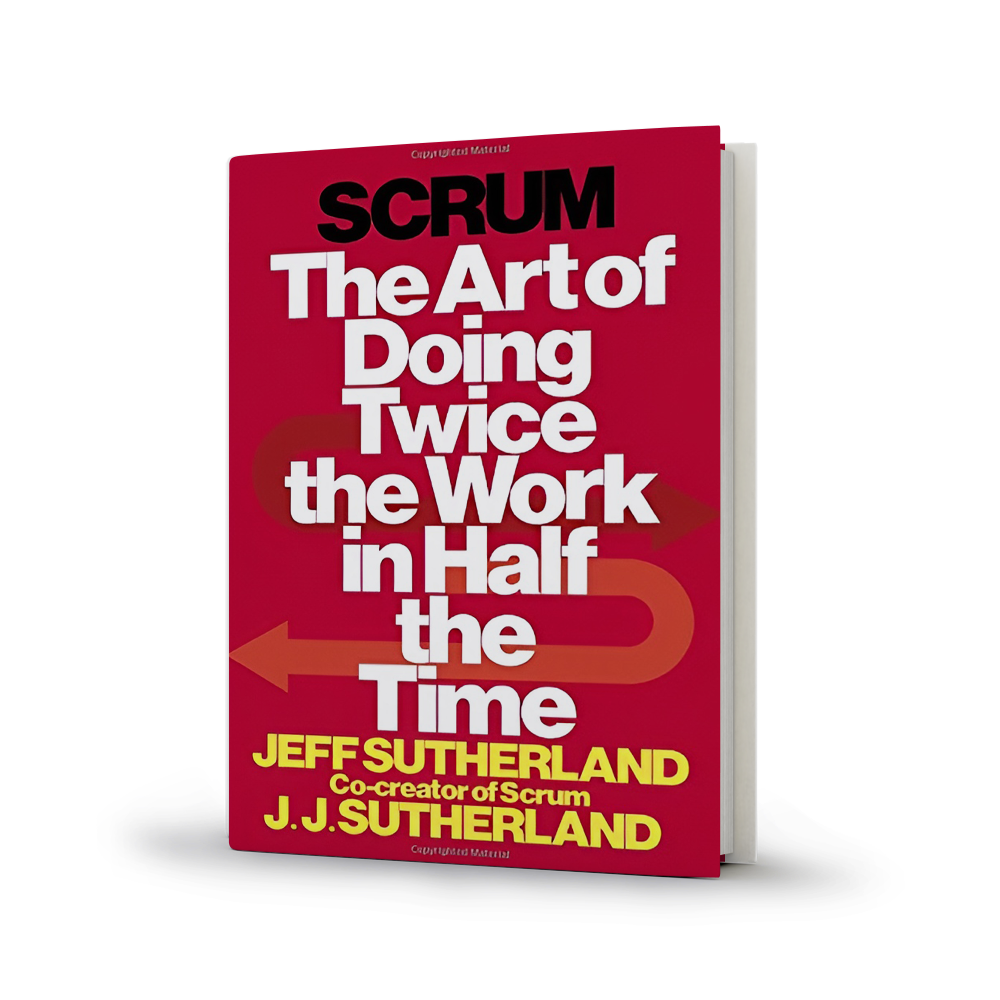
Jeff Sutherland explains how Scrum enhances productivity, adaptability, and innovation across industries. Through engaging real-world examples, the book demonstrates how teams can deliver greater value faster. A compelling read for anyone looking to transform the way work gets done.
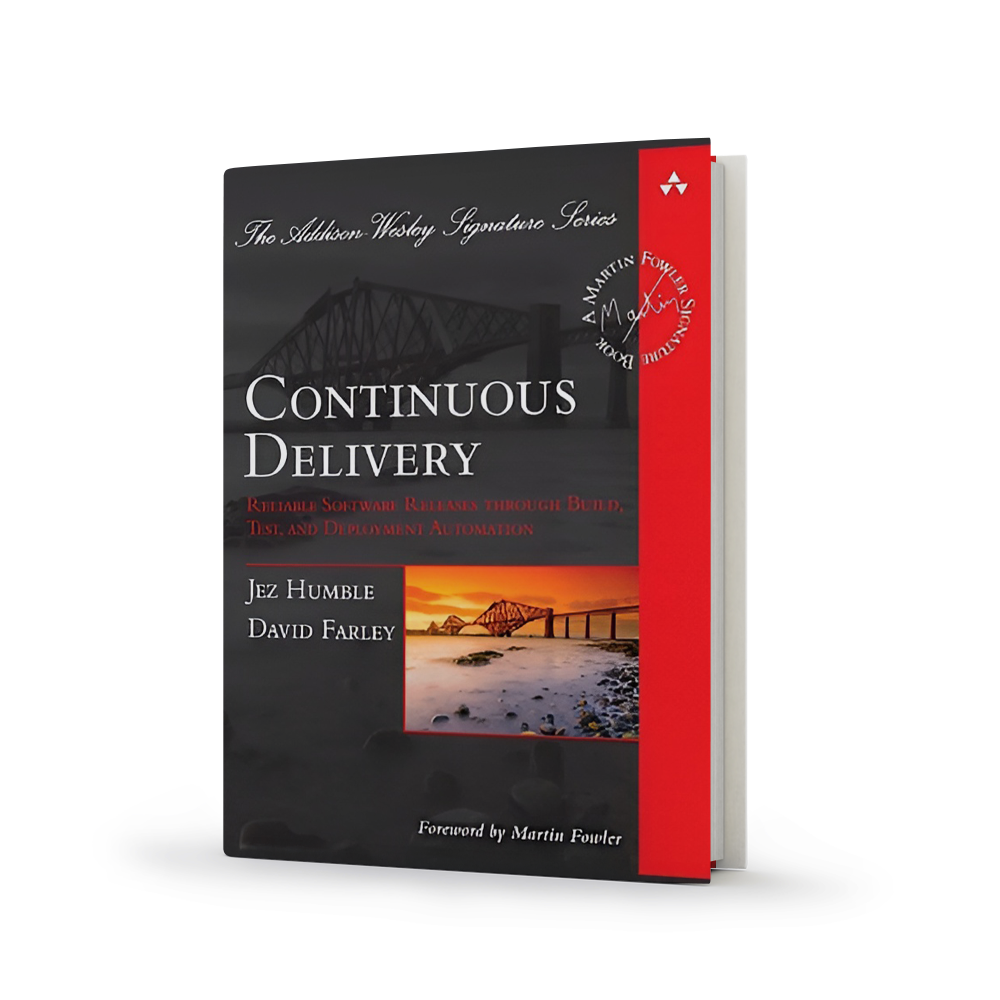
Jez Humble and David Farley outline proven practices for releasing software quickly, safely, and sustainably. Emphasizing automation and strong collaboration, the book helps teams reduce risk while improving product quality. A cornerstone resource for modern development teams.
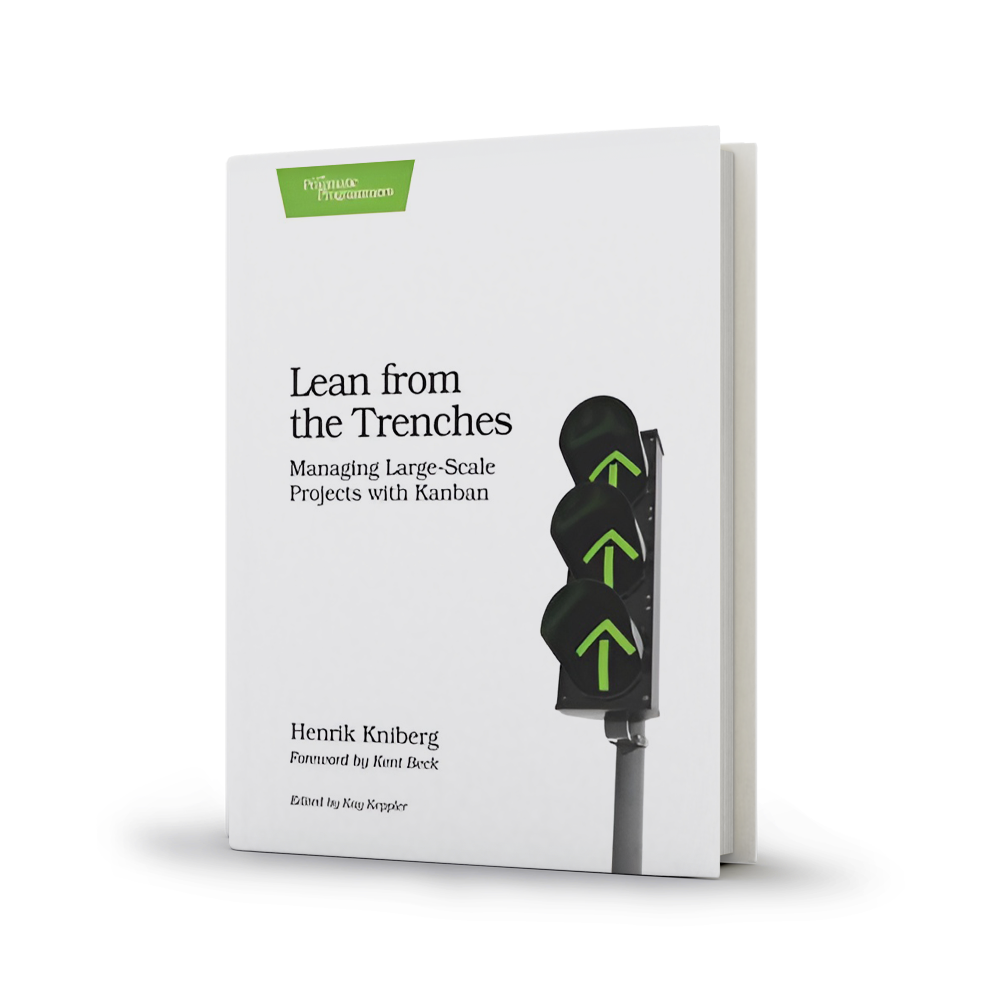
This book shares practical stories and lessons from applying Lean and Agile methods in demanding environments. It highlights strategies for maintaining quality, aligning teams, and balancing planning with flexibility. A great read for understanding Agile in action.
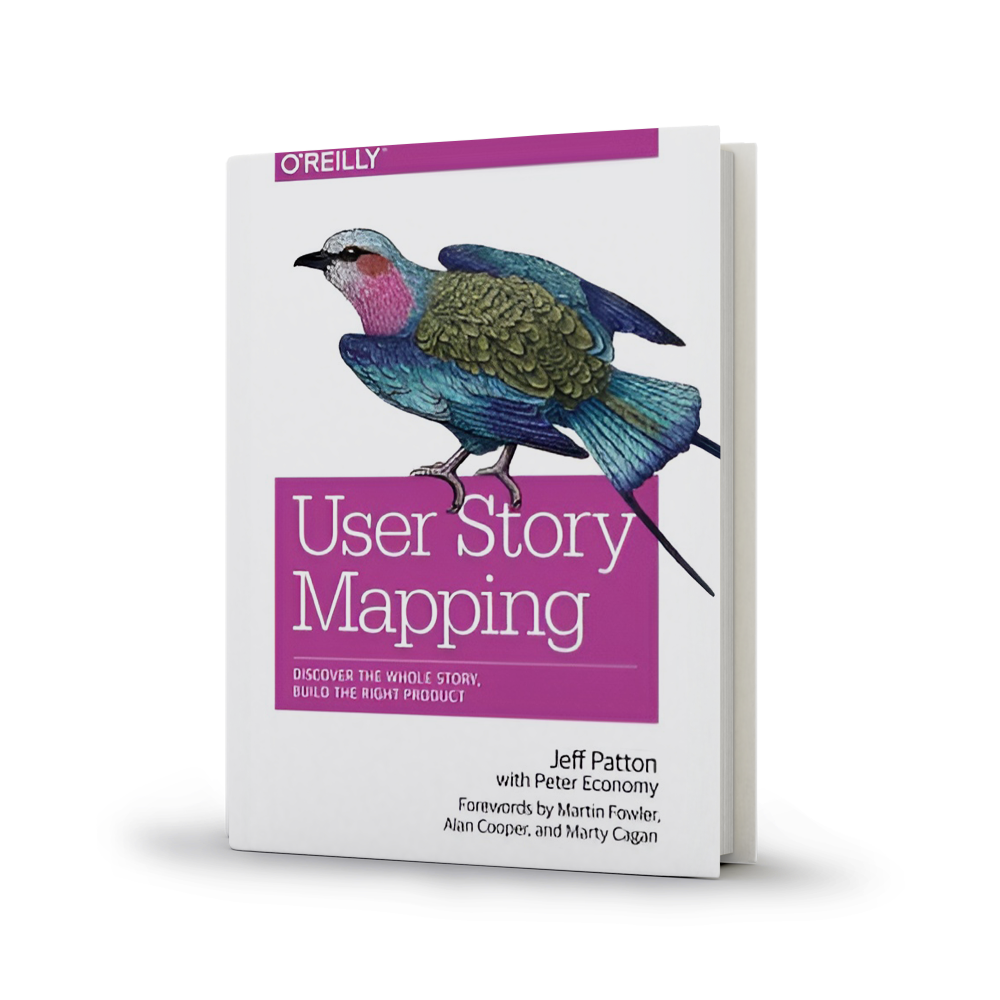
Jeff Patton introduces a visual approach to organizing user stories that keeps teams focused on customer value. The book helps readers understand user needs, prioritize effectively, and build the right product. Ideal for strengthening collaboration and product thinking.
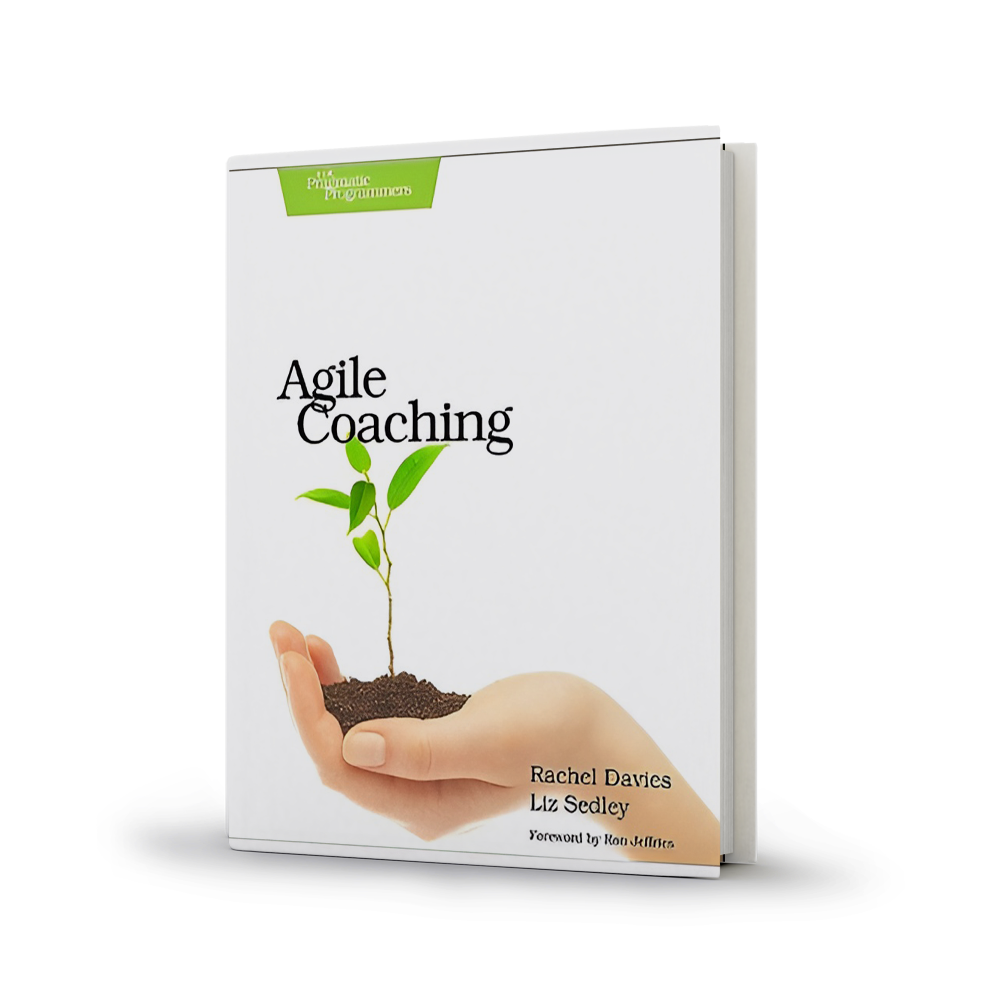
Rachel Davies and Liz Sedley provide practical tools and techniques for guiding teams through Agile adoption. The book focuses on improving collaboration, nurturing growth, and enabling continuous learning. A helpful resource for Scrum Masters evolving into coaching roles.
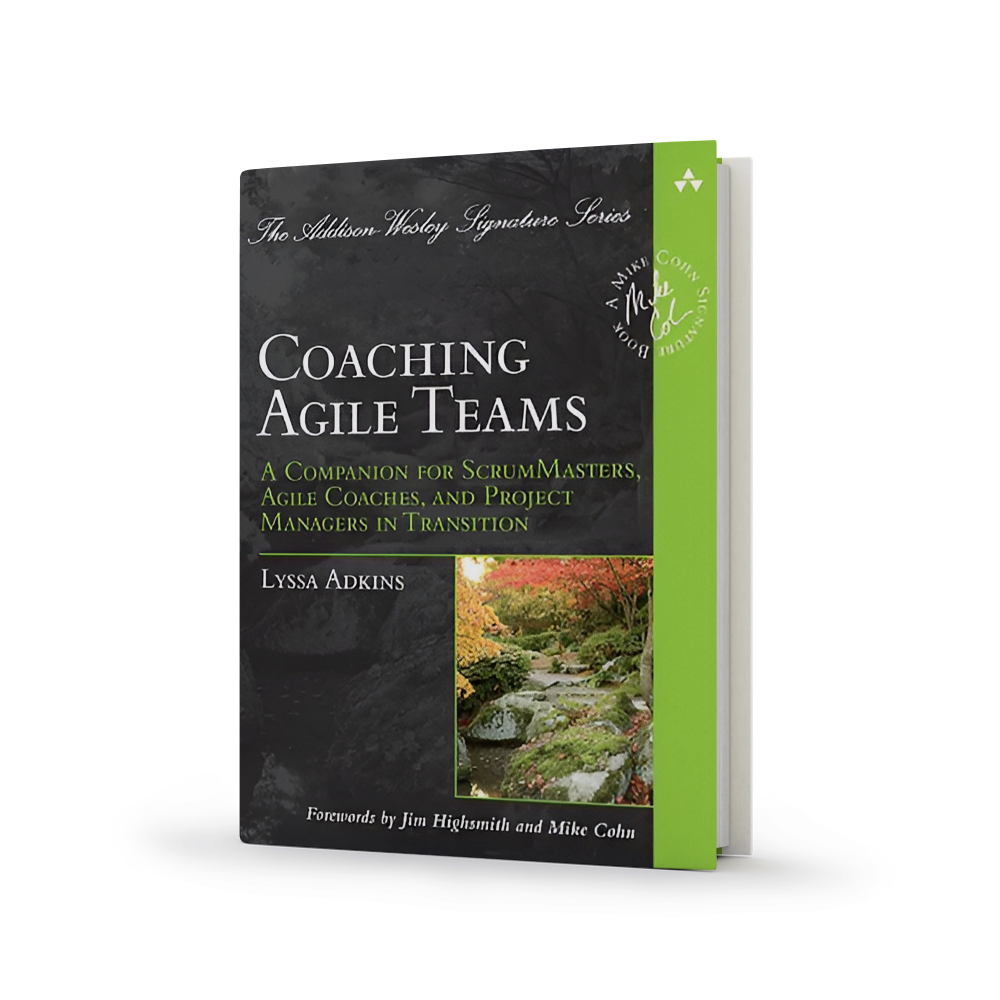
Designed for Scrum Masters and Agile Coaches, this book offers frameworks and mindsets for supporting team development. It teaches how to facilitate change, navigate challenges, and build stronger Agile cultures. An excellent companion for leadership growth.
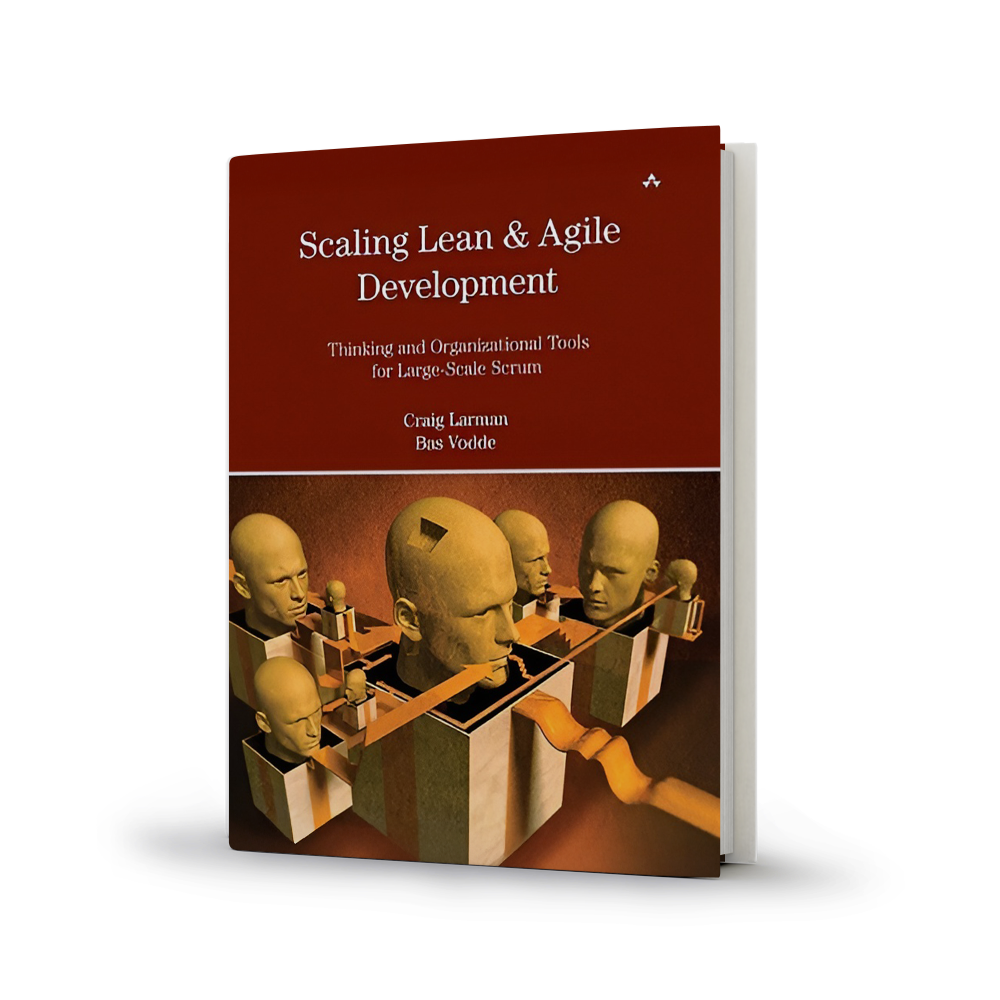
Craig Larman and Bas Vodde explore how large organizations can successfully adopt Lean and Agile practices. The book introduces thinking tools and organizational strategies needed for sustainable transformation. Highly recommended for leaders managing large-scale initiatives.
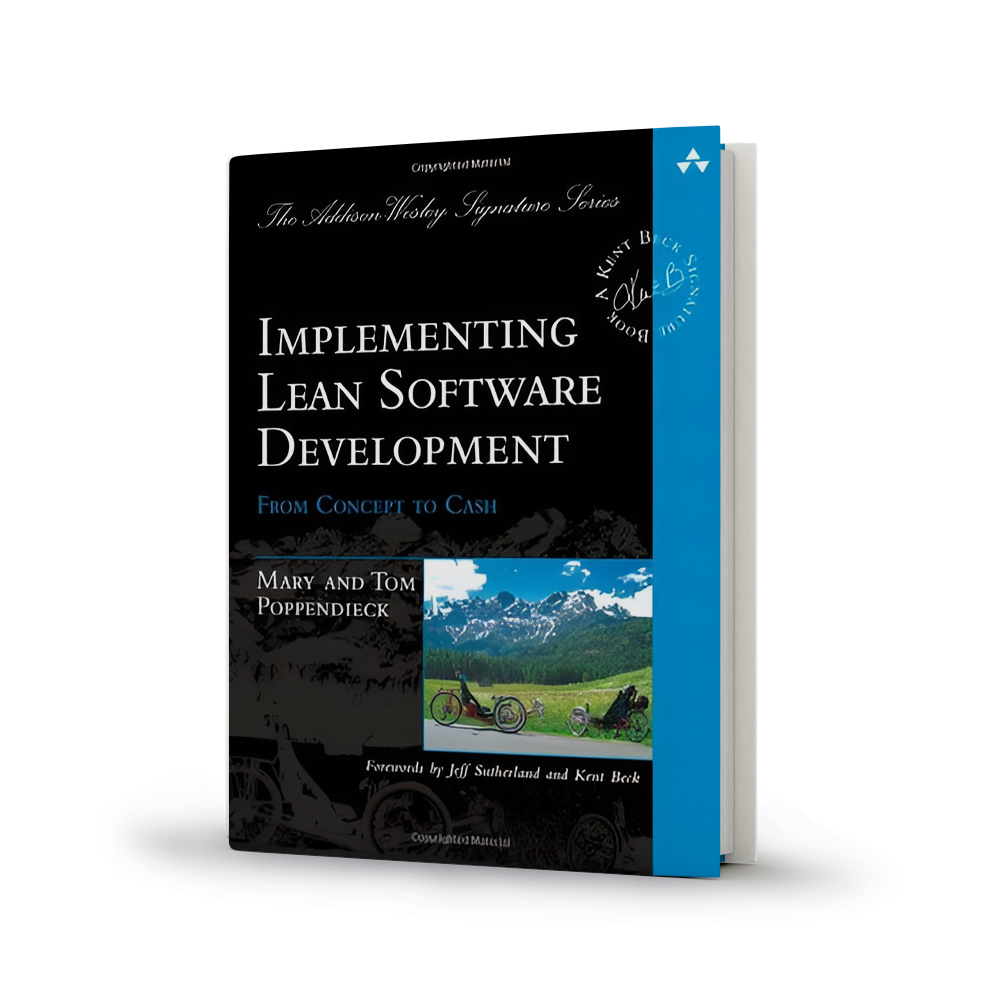
Mary and Tom Poppendieck combine Lean principles with real-world case studies to improve efficiency and delivery speed. The book provides actionable techniques for building strong teams, enhancing quality, and maximizing customer value. Ideal for organizations seeking smarter processes.
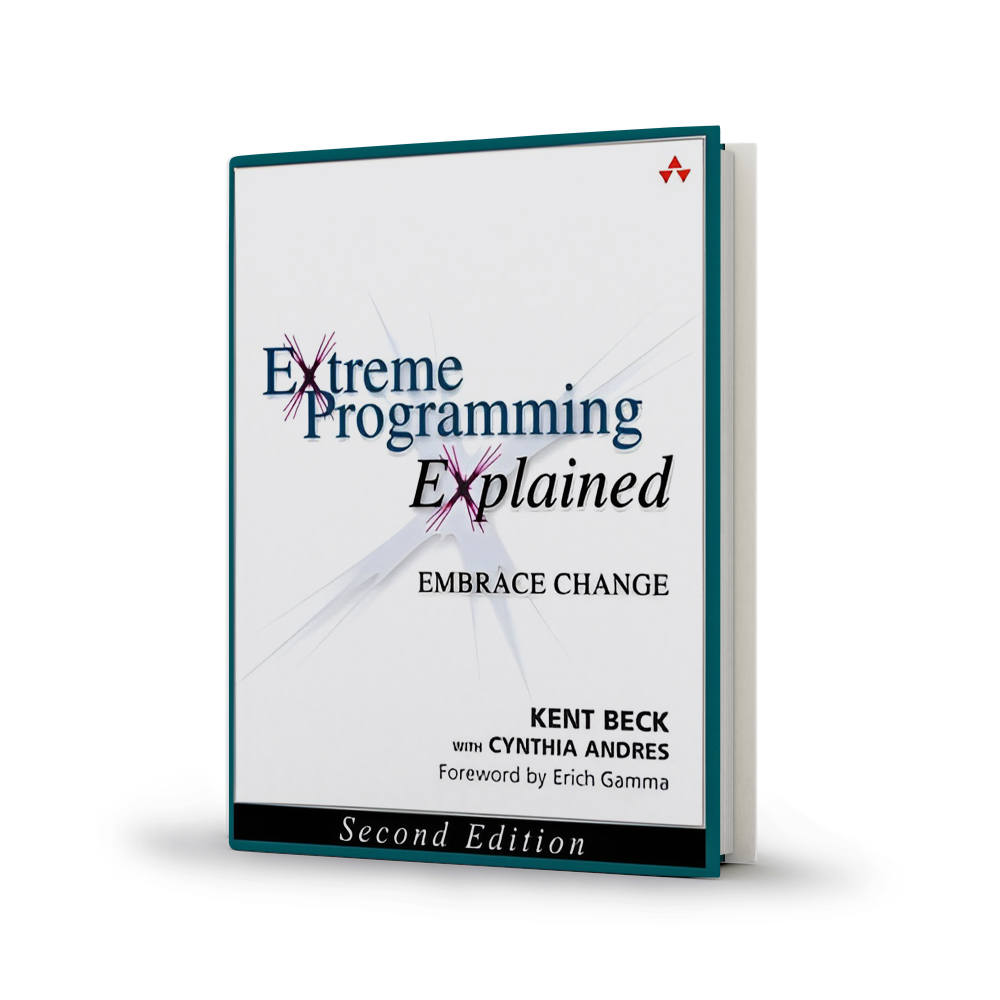
Kent Beck outlines the core values and practices of Extreme Programming to improve collaboration and software quality. The book promotes transparency, adaptability, and shared responsibility across teams. A strong guide for teams aiming to elevate performance.
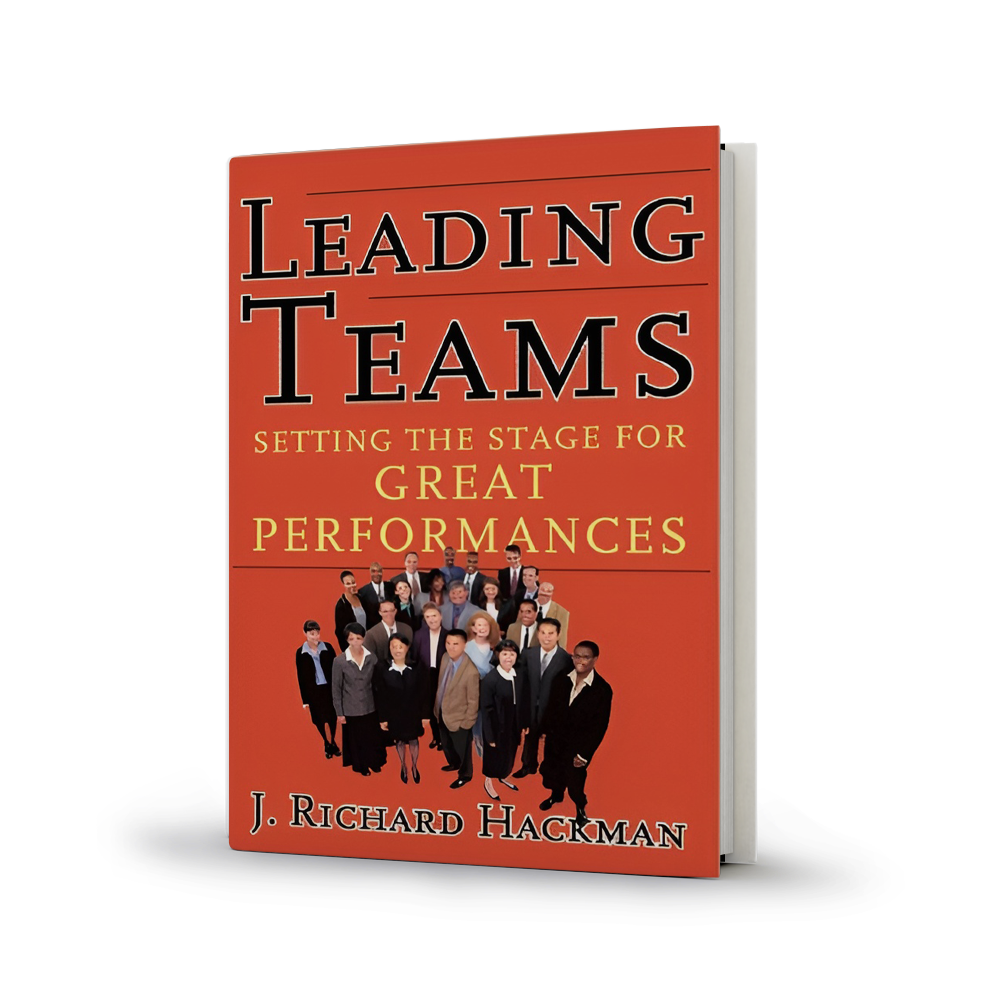
Richard Hackman explains the conditions that enable teams to perform at their best, including clear direction and supportive leadership. The book presents a practical framework for building stable, self-managing teams. Valuable for leaders focused on long-term effectiveness.
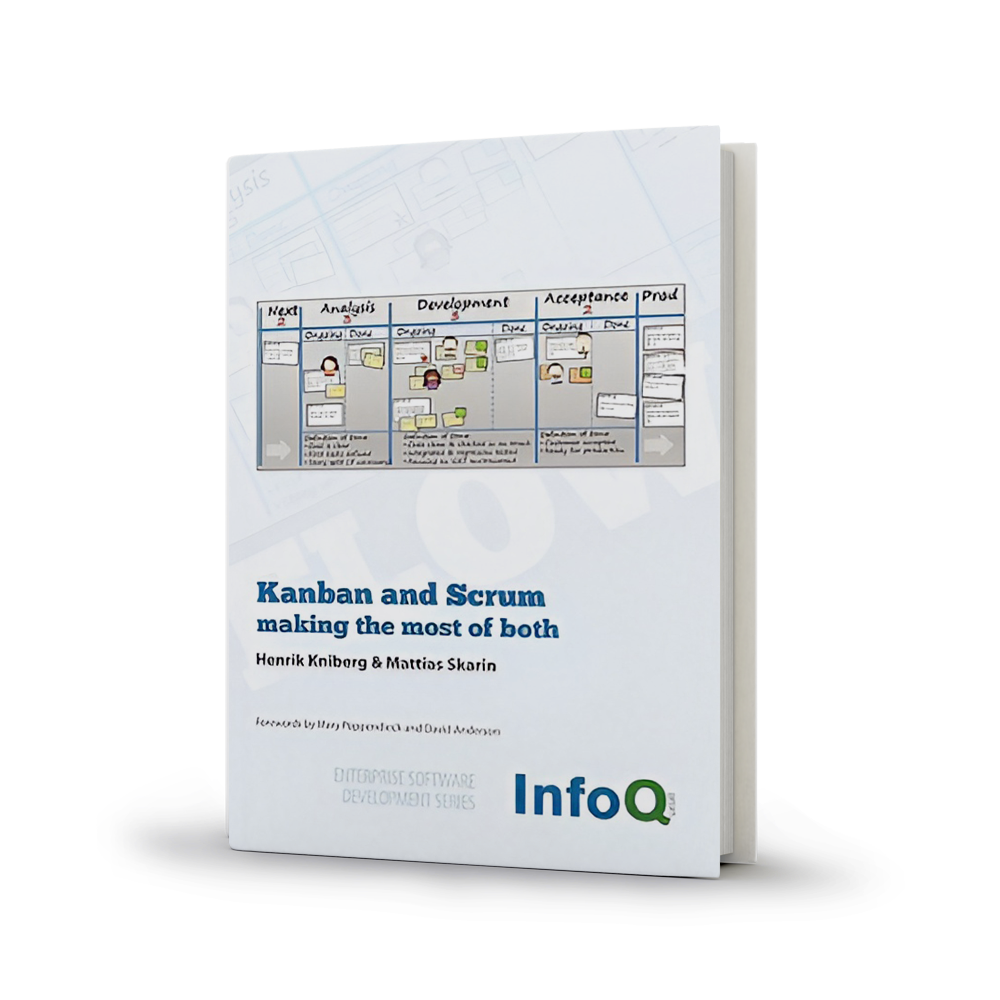
Henrik Kniberg explains how Kanban and Scrum complement each other and when to use each approach. With practical examples and engaging visuals, the book simplifies workflow optimization. A smart read for teams looking to improve delivery flow.
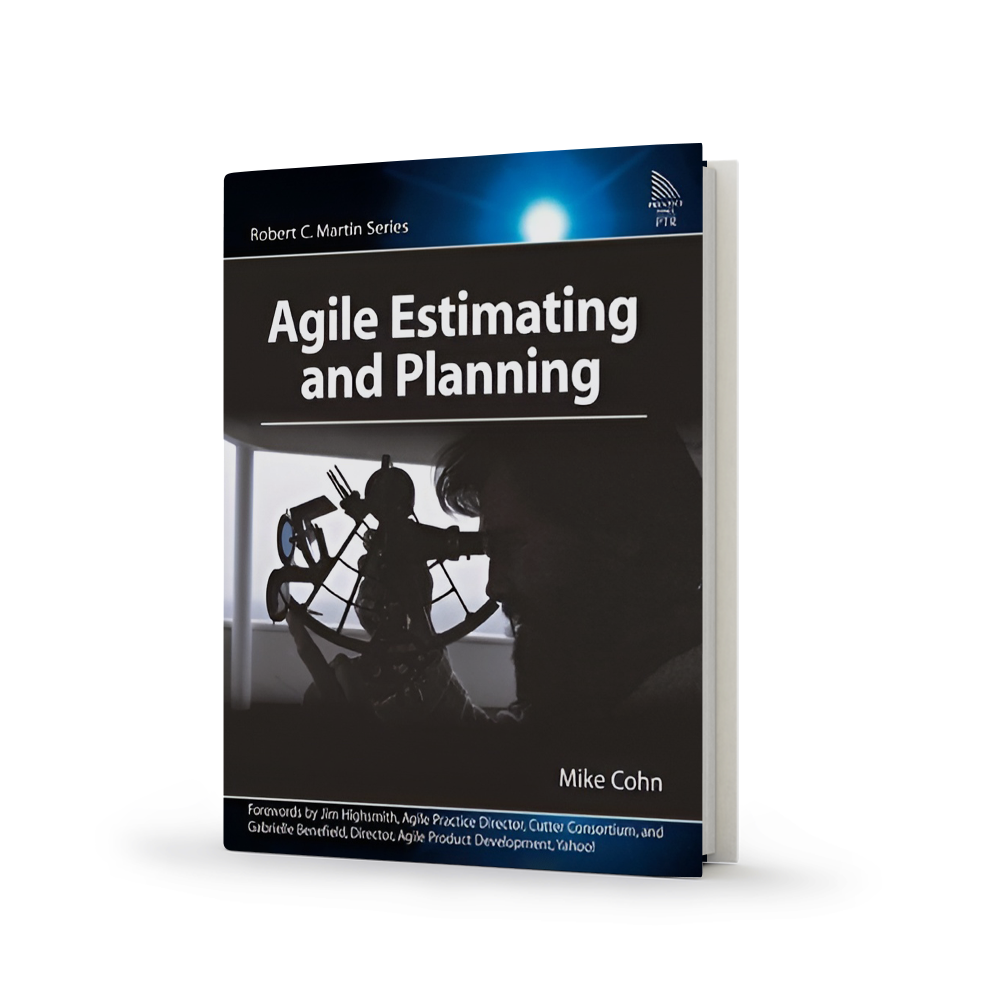
Mike Cohn provides realistic strategies for estimating, prioritizing, and planning Agile projects. The book helps teams manage uncertainty, set achievable goals, and deliver consistent value. Essential for improving predictability in Agile environments.
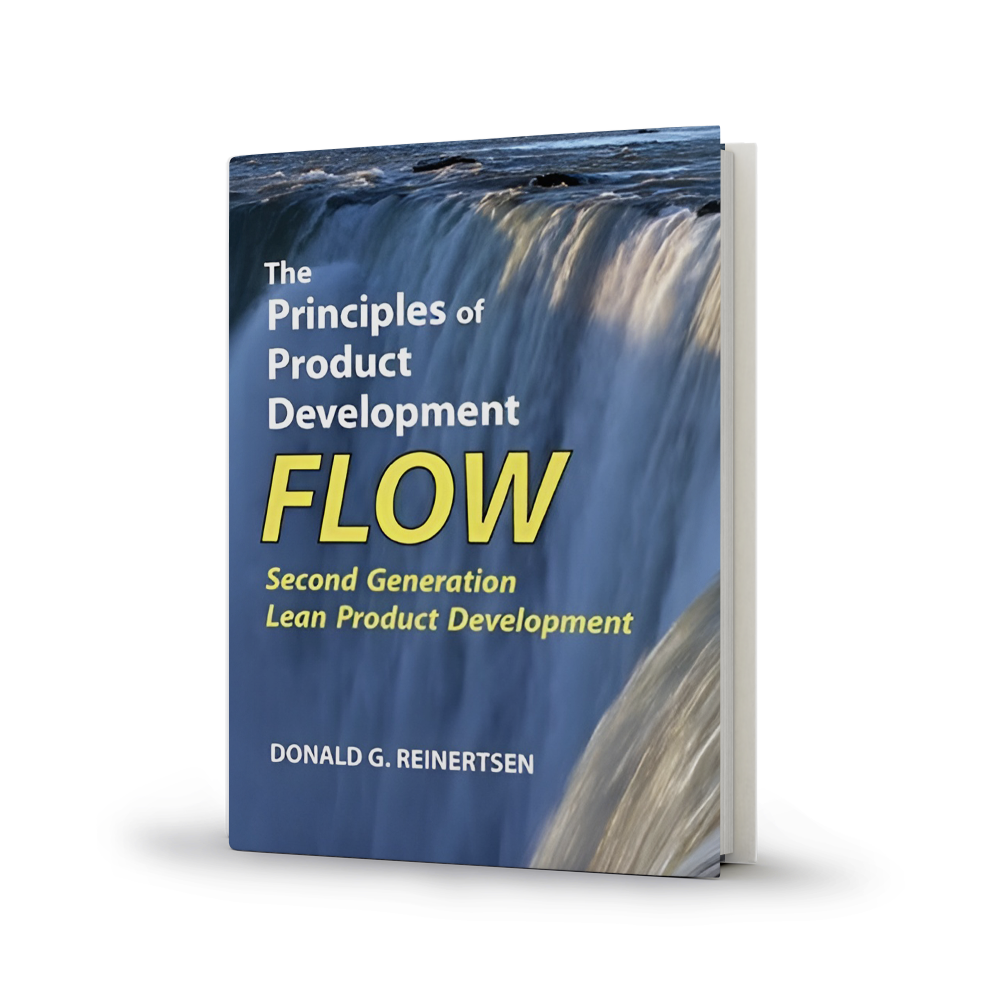
Donald Reinertsen introduces a flow-based approach to product development that reduces delays and accelerates innovation. The book focuses on economic decision-making, faster feedback, and efficient processes. A powerful guide for optimizing performance.
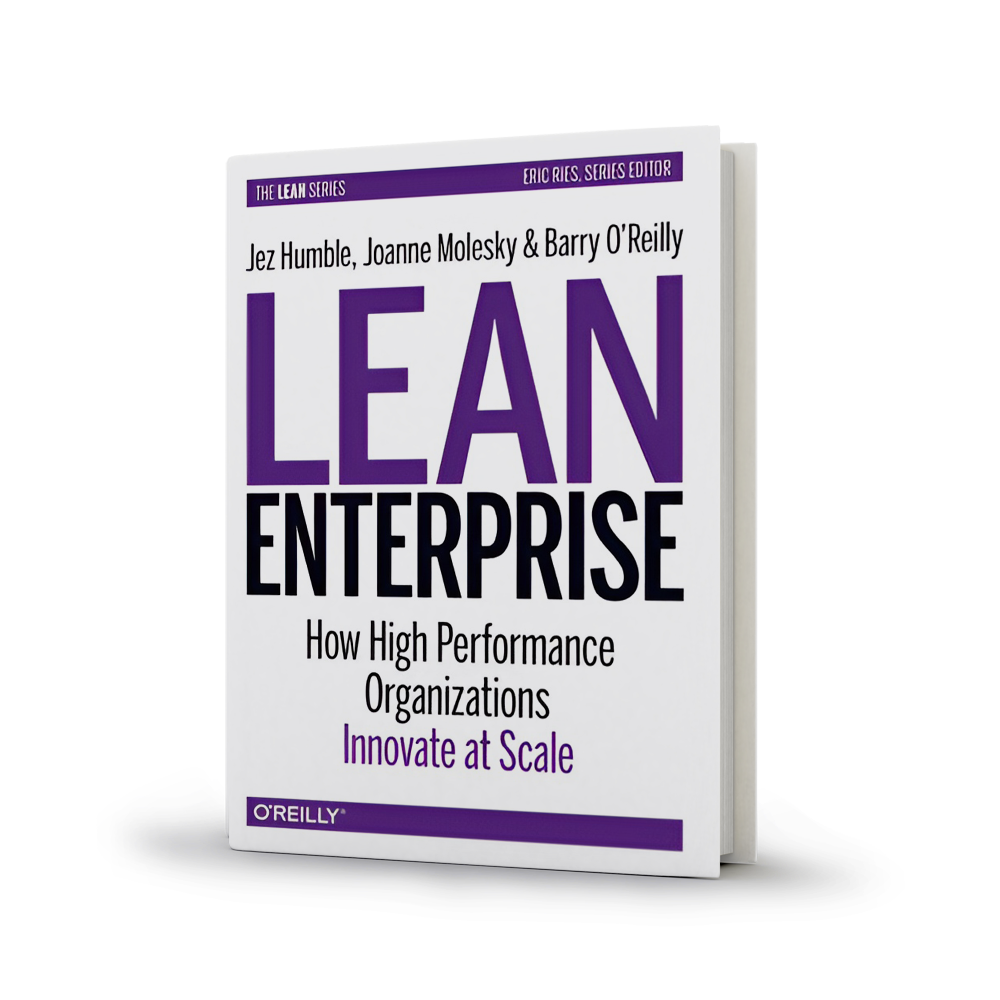
Jez Humble shows how organizations can scale innovation by applying Lean and Agile principles beyond individual teams. The book emphasizes experimentation, collaboration, and continuous improvement. A must-read for leaders building adaptable enterprises.
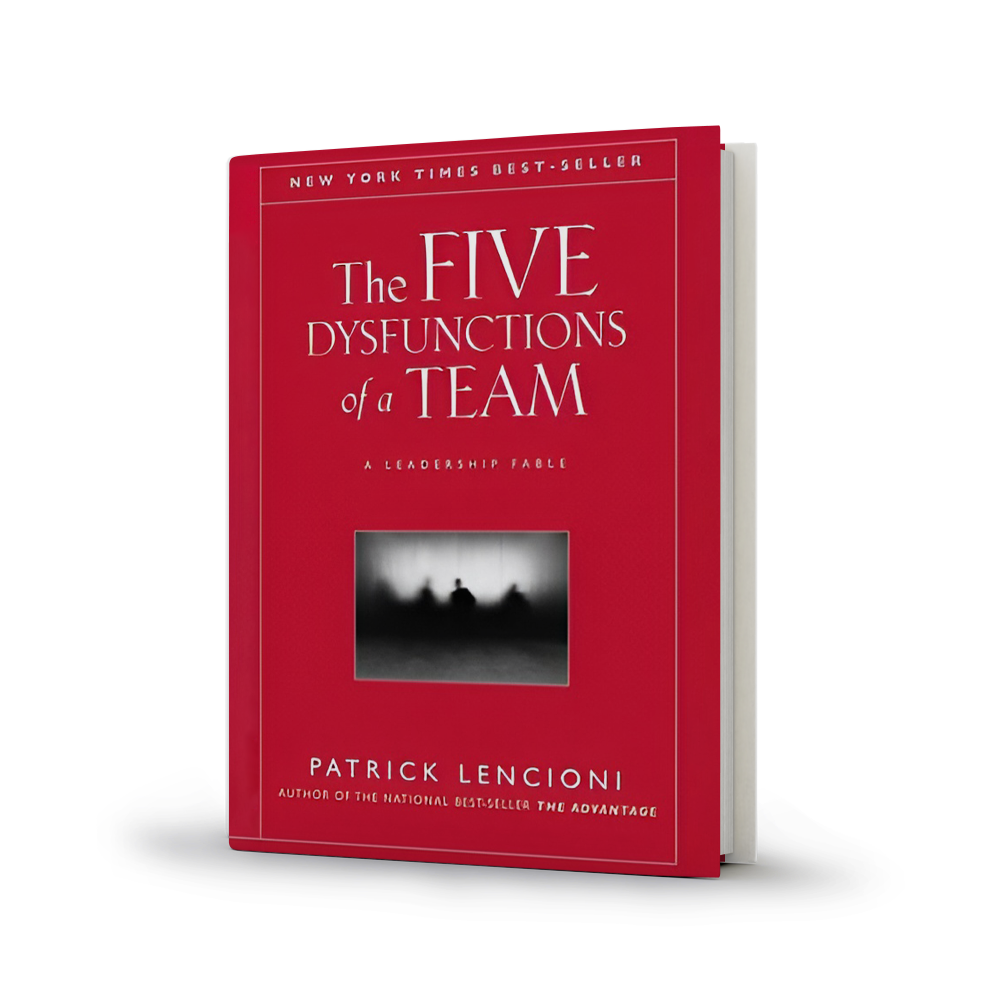
Patrick Lencioni uses a compelling leadership fable to reveal the common barriers that prevent teams from succeeding. It offers actionable insights for building trust, accountability, and cohesion. An engaging read for anyone committed to stronger teamwork.